


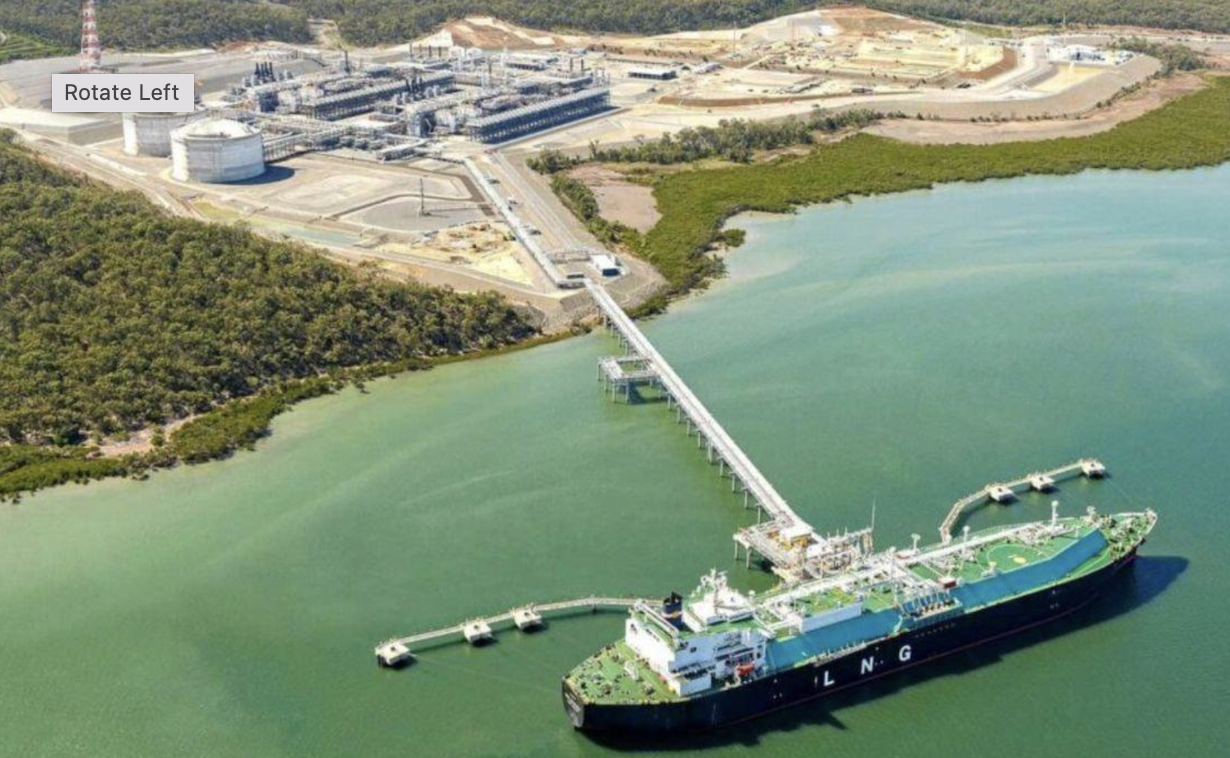
DAR ES SALAAM — Tanzania’s proposed US$42 billion liquefied natural gas (LNG) project is moving towards final agreements, bringing renewed attention to the potential role of local businesses in one of the country’s largest planned energy investments.
The project, led by Equinor and Shell and involving other international energy companies alongside the Tanzania Petroleum Development Corporation, is intended to develop the country’s substantial offshore natural gas resources. The project is associated with an estimated 47.13 trillion cubic feet of natural gas reserves, with most of the LNG expected to be exported and a portion intended for domestic use.
If the project advances through the remaining agreements and approvals, its development could generate demand for a wide range of services. These may include construction, engineering, transport, equipment maintenance, accommodation, catering and specialised industrial supplies.
Tanzanian companies could participate as direct contractors, suppliers or partners to larger firms. However, opportunities would depend on procurement arrangements, technical standards, financial capacity and the applicable local-content requirements.
Businesses interested in entering the energy supply chain can begin by assessing their capabilities. Relevant preparations may include obtaining industry certifications, training employees, strengthening financial records and ensuring that goods and services meet the required safety and quality standards.
The project could also have wider implications for Tanzania’s industrial development. Natural gas can support energy-intensive activities, but the extent of any domestic benefits will depend on infrastructure, gas availability, pricing and the allocation of resources between export and local use.
The proposed investment should not be confused with an immediate start to construction. Final agreements, approvals and subsequent implementation decisions remain important to the project’s timeline.
For local businesses, the priority is to prepare for potential opportunities without assuming that contracts or employment will automatically follow. Developing competitive services and building partnerships early could help Tanzanian firms position themselves to participate as the project progresses.
The long-term economic value of the project will depend not only on the scale of investment but also on how effectively local skills, suppliers and businesses are integrated into its development and operations.

