


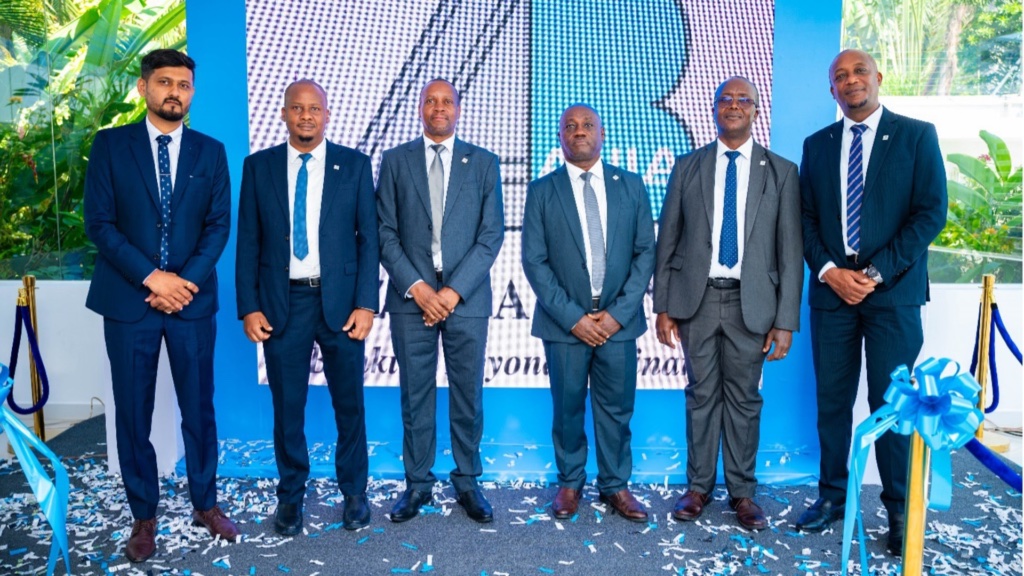
DAR ES SALAAM — Tanzanian small and medium-sized businesses are set to gain access to additional financing after Afreximbank approved a US$10 million facility for Azania Bank.
The funding will be channelled through Azania Bank to businesses seeking capital to expand operations, purchase equipment and participate in export-related activities.
The facility is part of Afreximbank’s Export SME Development Programme, which is designed to increase financing available to smaller businesses involved in Africa’s trade and production networks.
Eligible Tanzanian companies will include businesses operating in areas such as agriculture, manufacturing, logistics, technology and trade, with a particular focus on firms capable of supplying regional and international markets.
Afreximbank Managing Director for Export Development Oluranti Doherty said financing remains an important barrier for African SMEs seeking to scale.
“SMEs are the backbone of Africa’s productive economy and are critical to driving industrialisation, value addition and trade-led growth.”
For Azania Bank, the agreement expands its capacity to provide financing to businesses that may otherwise face difficulties accessing longer-term capital.
Yahaya Mbanka, Azania Bank’s Director of Business Development, said the facility would support companies looking to increase their productive capacity and pursue opportunities beyond the domestic market.
The arrangement also comes as Tanzanian businesses increasingly look towards regional trade and AfCFTA-related opportunities, where access to working capital can determine whether smaller firms are able to expand production and meet larger orders.
Beyond lending, the programme includes support covering areas such as export readiness, financial management, market access and digitalisation.
The US$10 million facility therefore gives Azania Bank additional funding capacity while linking Tanzanian SMEs to a wider trade-finance network backed by one of Africa’s major multilateral financial institutions.
For the banking sector, the deal highlights the growing role of specialised trade finance and development-bank partnerships in providing capital to businesses seeking to move from domestic operations into regional and international markets.

