


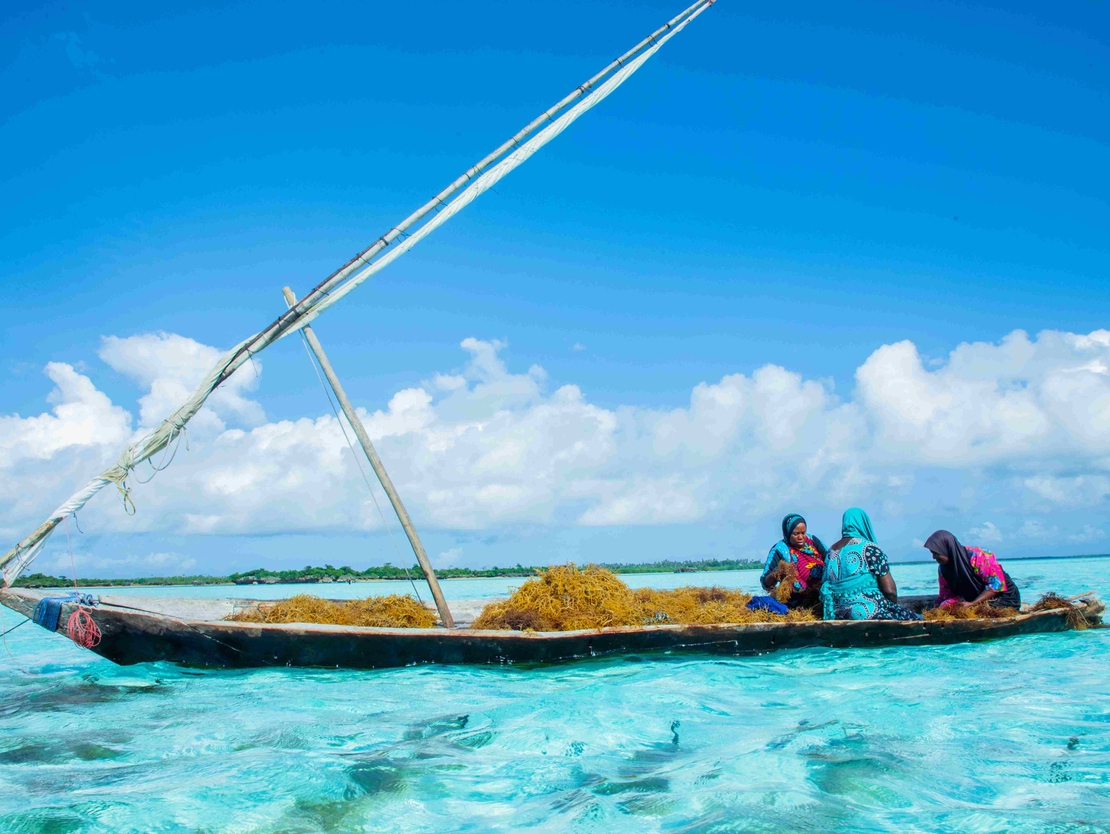
DAR ES SALAAM — Tanzania is looking to expand its participation in the global blue economy by attracting investment into fisheries, aquaculture, marine tourism, seaweed, biotechnology and other ocean-based industries.
Experts have called for greater use of technology, value addition and blended finance to help Tanzania capture a larger share of the global ocean economy, which is estimated at around US$2.6 trillion.
The opportunity extends beyond traditional fishing and tourism.
Tanzania’s marine resources can support businesses across processing, cold storage, packaging, transport, aquaculture and export logistics, allowing more value to be captured locally before products reach international markets.
Fisheries and aquaculture are among the areas with potential for expansion, while seaweed and sea cucumber production could create opportunities for processing and higher-value products.
Marine biotechnology also offers a longer-term opportunity as businesses and researchers explore commercial applications for ocean resources.
However, developing these industries requires investment in infrastructure, technology and finance.
Experts have highlighted blended finance as one potential mechanism for supporting blue-economy projects by combining public, development and private-sector capital.
For Tanzanian businesses, the opportunity lies not only in directly operating marine enterprises, but also in supplying the wider ecosystem.
A seafood exporter, for example, requires cold-storage facilities, packaging and logistics. Aquaculture businesses require equipment, feed and technical services, while marine tourism creates demand for transport, hospitality and other services.
This creates a potentially broad business ecosystem around Tanzania’s ocean resources.
The wider global market is also expanding. The global ocean economy is projected to approach US$3 trillion by 2030, increasing the potential market for businesses capable of developing commercially viable ocean-based products and services.
For Tanzania, the challenge is increasingly about moving from resource availability to value creation.
Greater investment in processing, technology and local businesses could allow the country to capture more economic value from its coastline and marine resources while creating new opportunities for entrepreneurs and investors.

