


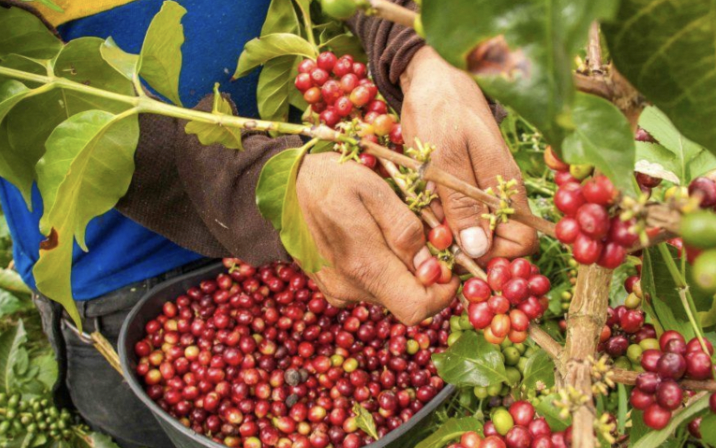
SONGEA — Tanzania’s coffee industry has an opportunity to generate greater value for producing communities by expanding investment in processing, quality improvement and market access, particularly in established growing areas such as Ruvuma’s Mbinga District.
Coffee supports farming households and contributes to employment, household income and foreign exchange earnings. Its economic impact extends beyond the farm, creating demand for transport, storage, processing, packaging, marketing and export services.
Tanzania’s international coffee profile received a boost in February 2026, when the country ranked first in Africa for coffee quality and fourth globally at the African Fine Coffees Association conference in Addis Ababa, Ethiopia.
The recognition provides an opportunity to build stronger demand for Tanzanian coffee, but maintaining that position requires consistent quality, reliable supply and the ability to meet buyers’ requirements.
For farmers, access to improved seedlings, agricultural advice and modern farming practices can support productivity and quality. For processors and traders, investment in handling, grading, packaging and market development can help move the industry beyond selling unprocessed produce.
These improvements could also benefit businesses that are not directly involved in growing coffee. Warehouses, transport operators, equipment suppliers and packaging companies can all participate in the value chain as production and commercial activity expand.
Investment in producing regions is therefore important not only for agricultural output, but also for creating jobs and business opportunities closer to farming communities.
The role of government institutions in supporting investment was highlighted during International Coffee Day activities in Songea in October, when AVIV Tanzania presented appreciation awards to regional institutions for their contribution to an environment supportive of its investment activities.
While a supportive business environment can help companies operate and expand, long-term growth also depends on whether investment translates into practical benefits for producers and local suppliers.
For Tanzania, the next step is to convert coffee’s quality reputation into a stronger commercial position. That means connecting farmers to dependable markets, encouraging local processing where viable and helping businesses meet the standards required by domestic and international buyers.
When more stages of the coffee value chain are carried out locally, the benefits can extend beyond export earnings to rural employment, small-business growth and a broader network of Tanzanian enterprises.

