


DAR ES SALAAM — Young Tanzanians are becoming an increasingly important part of the country’s capital market, with people aged 20 to 39 accounting for about 40 percent of trading participants at the Dar es Salaam Stock Exchange (DSE), according to the exchange.
The DSE is expanding financial-literacy initiatives to help more young people understand investment opportunities, build saving habits and make informed financial decisions.
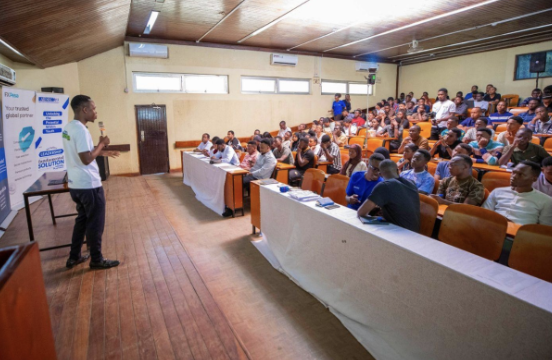
Speaking during the Ring the Bell for Financial Literacy initiative, DSE business development manager Emmanuel Nyalali said growing youth participation offered an opportunity to strengthen the country’s investment culture over the long term.
Part of the increased interest has been attributed to digital access through platforms such as Hisa Kiganjani, which enables investors to access the stock market through digital channels.
Greater access can help make investment more convenient, but understanding the risks remains essential. People need to learn how shares work, how prices can rise and fall, and why investment decisions should be based on research, personal financial circumstances and long-term goals rather than short-term excitement.
Financial literacy also matters for the wider economy. A population that understands saving and investment may be better equipped to participate in capital markets, while businesses can benefit when investors provide capital to companies seeking to expand.
For young entrepreneurs, knowledge of capital markets can also improve their understanding of how companies raise funds, manage shareholders and build the financial records required to attract investment.
The DSE’s outreach includes students, with the aim of introducing financial concepts before young people enter employment or establish businesses. Developing these skills early can help people distinguish between saving, investing and taking risks they do not fully understand.
For companies listed on the exchange, broader public participation could help expand the pool of potential investors. For the market to grow sustainably, however, participation must be supported by transparent company information, responsible investor education and confidence in market rules.
The opportunity is not simply to persuade more young people to trade. It is to help them understand how financial decisions work and how investment can fit into a wider plan for managing money.
As Tanzania seeks to deepen its capital markets, improving financial literacy among young people could help build a more informed investor base and connect individual savings with the long-term financing needs of local businesses.

