


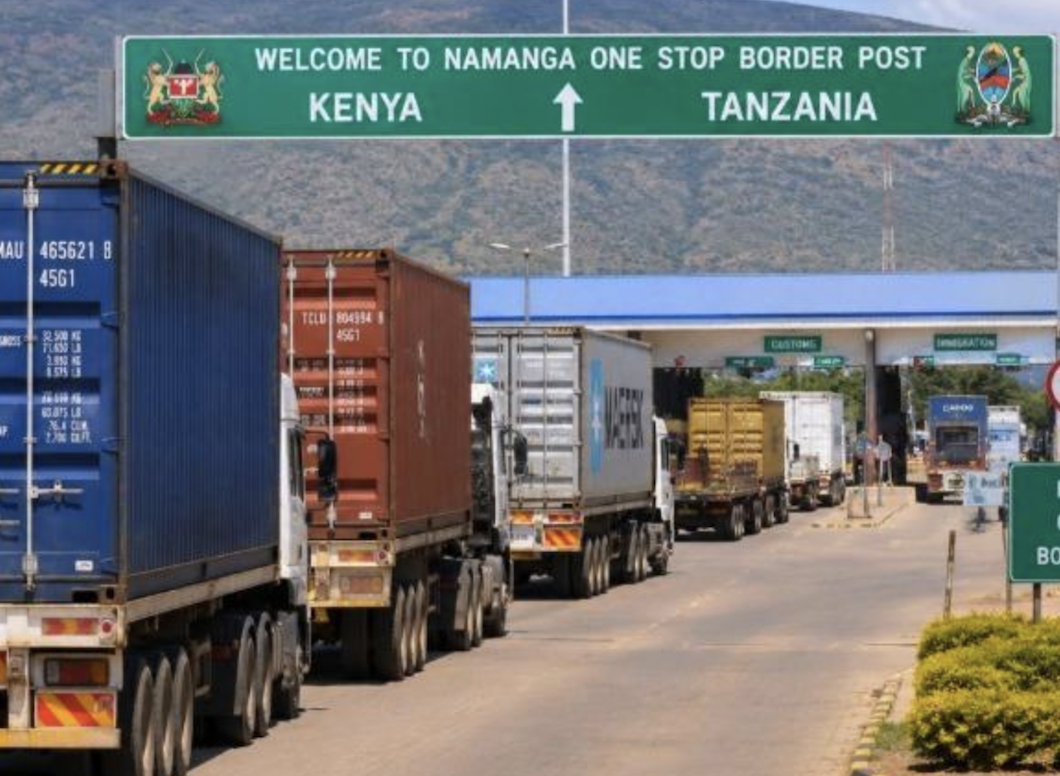
DAR ES SALAAM — Tanzania and Kenya are renewing efforts to remove more than 50 non-tariff barriers affecting bilateral trade, in a move that could reduce some of the obstacles facing businesses that transport, manufacture and sell goods across the border.
The renewed commitment was discussed by officials from both countries in October as part of wider efforts to ease the movement of goods, services and capital between the neighbouring economies. Tanzania’s Permanent Secretary in the Ministry of Finance, Dr Natu El-Maamry Mwamba, said addressing the identified barriers remained a priority.
Non-tariff barriers are obstacles to trade other than customs duties. They can include inconsistent administrative procedures, delays in permits or inspections, differing standards and other requirements that make it more difficult or expensive to move goods between markets.
For exporters, these obstacles can increase transport costs, delay deliveries and complicate production planning. Perishable goods may be particularly affected by delays, while manufacturers can face uncertainty when components or raw materials do not arrive on schedule.
Reducing such barriers could help Tanzanian producers reach customers in Kenya more efficiently. Agricultural products, processed foods, manufactured goods and other products could benefit where they meet the destination market’s applicable standards and requirements. Transport companies, clearing agents, warehouses and logistics providers could also benefit from more predictable cross-border movements.
The potential gains extend beyond exporters. Manufacturers that source inputs regionally could have more reliable supply chains, while businesses serving customers in both countries could plan stock levels and deliveries with greater confidence.
However, a political commitment to remove barriers does not mean every obstacle has already disappeared. Businesses must continue to comply with applicable customs procedures, product standards, certification rules and other legal requirements until official changes take effect.
The impact will depend on implementation: which barriers are removed, how quickly changes are introduced and whether border agencies apply procedures consistently. Clear communication between authorities and businesses will also be important.
For Tanzanian companies looking to expand regionally, the latest initiative is a reason to review potential opportunities in Kenya and assess whether their products, pricing and distribution systems are competitive. Easier trade could open doors, but businesses will still need to meet customer expectations and manage the practical costs of entering a new market.

