


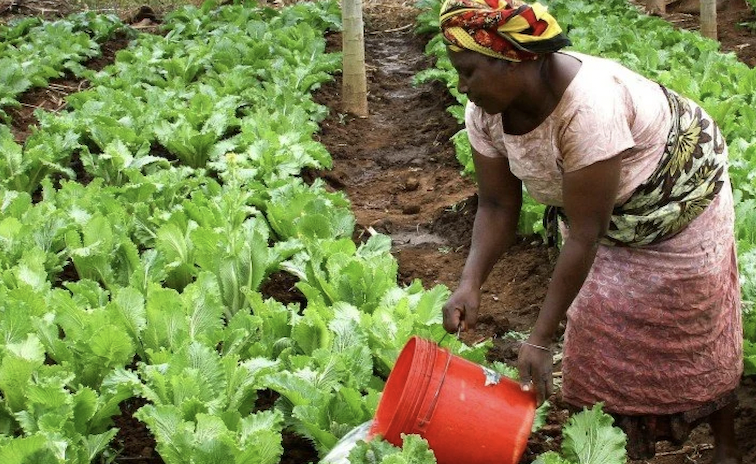
DAR ES SALAAM — Tanzania’s horticulture sector has opportunities to expand export earnings by improving the way fruits, vegetables, flowers and other high-value crops are grown, handled, processed and transported to international markets.
Horticulture can create business opportunities across the agricultural value chain, from farming and input supply to packaging, cold storage, transport and export distribution. For smaller producers, working through cooperatives, aggregators or established exporters can help connect production to buyers that require consistent volumes and quality.
Meeting export requirements remains one of the sector’s most important challenges. International buyers may require specific product grades, traceability, food-safety controls, packaging standards and reliable delivery schedules. Businesses that can meet these requirements may be better positioned to secure repeat orders.
Post-harvest handling is particularly important for perishable products. Appropriate storage, sorting, packaging and temperature management can reduce losses and help maintain quality during transport. Investment in these services can also create opportunities for logistics companies and specialised service providers.
For farmers, access to market information and predictable purchasing arrangements can help improve production planning. Exporters, meanwhile, need reliable supplies, efficient transport and a clear understanding of the requirements in each destination market.
However, increasing exports requires more than expanding production. Businesses must assess demand, transport costs, international competition, seasonal conditions and the risk of products being rejected for failing to meet required standards.
Partnerships between farmers, processors, exporters and financial institutions can help address some of these challenges. Investment in irrigation, skills, storage and modern production methods may also support more consistent output, provided the costs are commercially sustainable.
For Tanzania, horticulture offers a route to diversify agricultural exports and create value beyond the farm. The opportunity lies in building dependable supply chains that allow local producers to meet international standards, reduce losses, and capture a larger share of the value generated by export markets.

