


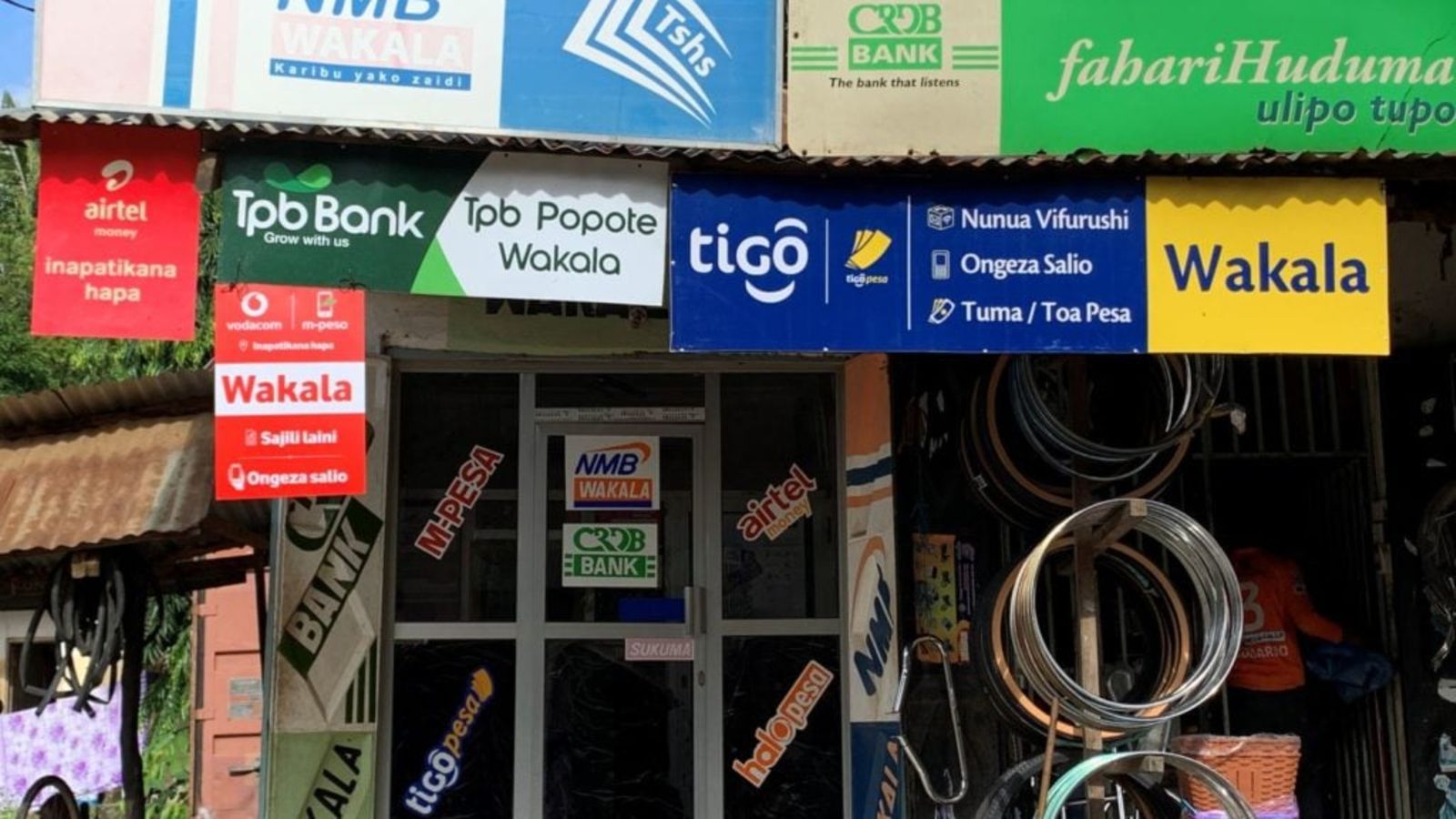
DAR ES SALAAM — Digital payments have become an important part of modern commerce, offering small businesses additional ways to receive money, serve customers, and record transactions.
For retailers, restaurants, service providers, and other small enterprises, accepting digital payments can make it more convenient for customers to pay without relying entirely on cash. Electronic transaction records may also help owners monitor sales, reconcile accounts, and demonstrate business activity when seeking financial services.
However, digital payments are not automatically cheaper or more suitable for every business. Transaction charges, access to reliable connectivity, settlement times, fraud risks, and the ability to manage different payment channels can affect how useful these services are in practice.
The value of digital payments also depends on how businesses use the information they generate. Keeping clear records, separating business and personal finances and regularly reviewing cash flow can help owners make better-informed decisions about stock purchases, expenses and expansion.
For financial service providers, small businesses represent an important customer group, but services need to reflect the realities of their operations. Transparent fees, reliable systems and appropriate support can help build trust and encourage more effective use of digital financial tools.
The broader question for Tanzania is not simply how many businesses accept digital payments, but whether these services help them operate more efficiently, maintain better records, and access suitable financial products.

