


DAR ES SALAAM — Tanzania’s economy is projected to grow by 6.1 percent in 2026, but the country faces a challenge in ensuring that economic expansion translates into more productive, secure and better-paying jobs.
The World Bank’s September 2026 Tanzania Economic Update, titled Making Jobs Work, argues that the challenge is not simply a shortage of employment. Many people work in low-productivity agriculture and informal activities, where earnings can be limited and workers are more vulnerable to economic shocks.
For businesses, improving job quality begins with increasing productivity. Manufacturers can invest in more efficient production processes, while agricultural businesses can improve storage, processing and distribution to reduce losses and increase the value of local produce. Service companies can strengthen their use of technology, employee training and operational systems to serve more customers effectively.
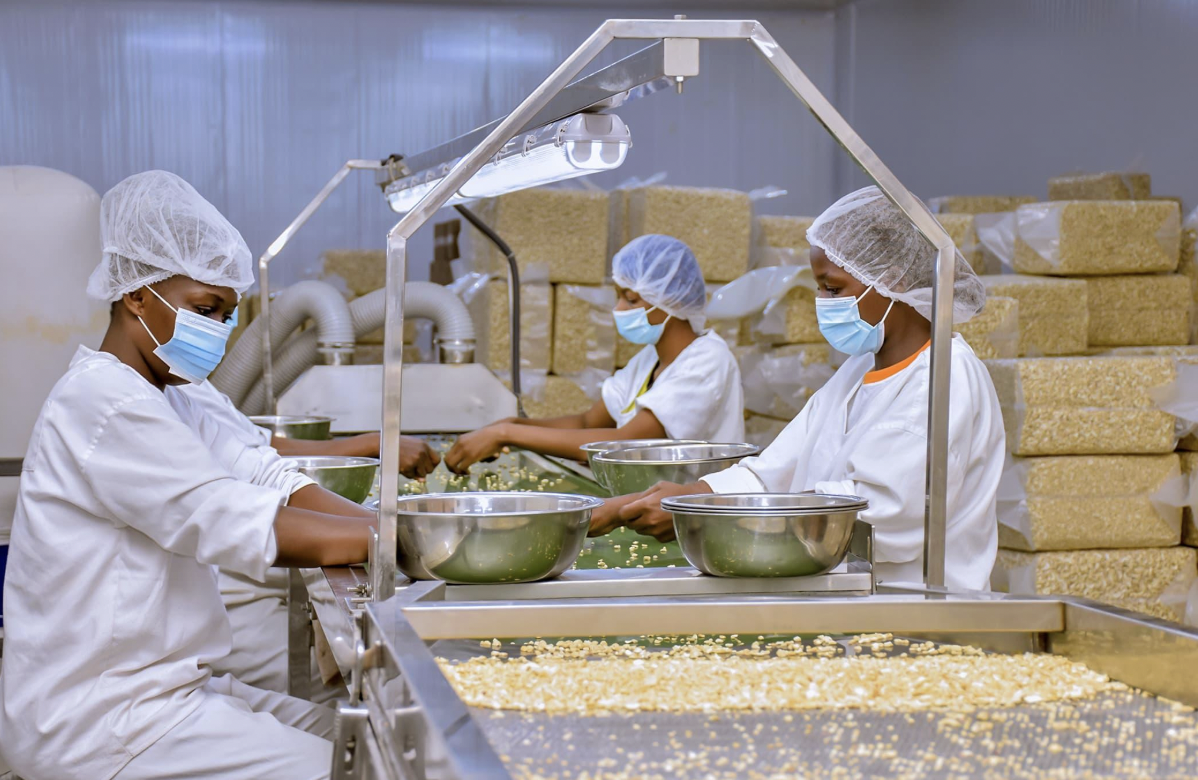
Agro-processing is one area where these changes could make a difference. Instead of selling only unprocessed crops, businesses can develop products with longer shelf lives, improved packaging and more consistent quality. This can create demand for workers in processing, quality control, logistics, marketing and administration.
However, firms need the capacity to grow before they can create more stable employment. Access to finance, reliable infrastructure, predictable business procedures and the ability to find appropriately skilled workers all influence whether companies can expand.
The World Bank identifies barriers including complicated business registration processes, limited access to long-term credit and gaps in workers’ skills. It also notes that relatively few registered firms are young, pointing to challenges in business creation and expansion.
Businesses can respond by investing in practical training, developing clear career pathways and improving working conditions as operations grow. Partnerships with training institutions may help employers find workers with the technical skills their industries require.
The government also has a role in simplifying procedures, improving access to finance and helping workers develop skills that match market demand. Recognising skills gained through informal work could help more people move into formal employment.
Tanzania’s growth outlook is encouraging, but stronger economic output will not automatically improve living standards for everyone. The next challenge is to help more businesses become productive enough to expand, compete and offer workers more secure opportunities with better earnings.

