


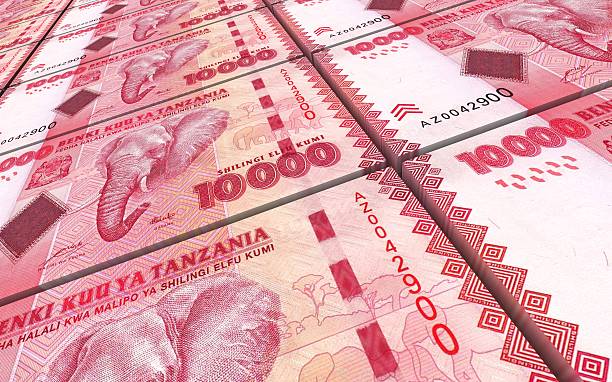
For a Tanzanian athlete standing on an international podium, the medal may be the headline.
But behind the achievement is another question that deserves more attention: what happens after the prize money arrives?
Gabriel Geay’s third-place finish at the 2026 Berlin Marathon offers a timely example. The Tanzanian finished the race in 2:03:59, earning €10,000 for third place under the marathon’s official prize structure.
That is significant money for an individual athlete.
But professional sport is also an unusual business. Income can be irregular, careers can be relatively short, and success often comes with substantial costs — training, travel, equipment, coaching and other professional expenses.
That makes financial planning an increasingly important part of an athlete’s career.
The business behind the athlete
An athlete’s earning potential is not necessarily limited to prize money.
Successful sportspeople can generate income through competition winnings, sponsorships, endorsements, appearances and partnerships. Their public profile can itself become an asset.
That creates an opportunity for athletes to think beyond the next race or season and build a professional career around their sporting success.
The financial sector is beginning to recognise this need.
In August, CRDB Bank partnered with Simba and Yanga players Clatous Chama, Mohammed Hussein, Aziz Ki and Farid Mussa to promote financial education among footballers and the wider community. The bank said the partnership was intended to strengthen financial literacy and professionalism within Tanzanian sport.
That is an important development because professional athletes are, in many ways, businesses of their own.
Their careers involve income, contracts, expenses, personal brands and financial decisions — often while they are still very young.
Turning sporting success into lasting opportunity
The challenge is ensuring that a successful season does not become a short-lived financial moment.
For athletes, that can mean understanding how income works, keeping track of expenses, planning for periods when competition income is lower and seeking appropriate professional advice about longer-term financial decisions.
It can also mean building skills outside sport.
An athlete who develops interests in business, media, entrepreneurship or leadership may have additional opportunities when their competitive career eventually changes.
For the wider Tanzanian economy, successful athletes can become more than sporting figures. They can become entrepreneurs, brand ambassadors, investors, mentors and role models.
More than a prize
Geay’s €10,000 Berlin prize is therefore bigger than the number on the cheque.
It represents what can happen when Tanzanian talent reaches a global market.
The bigger opportunity is to build an environment where that success can translate into lasting economic value — for athletes, their families, businesses that work with them and the next generation of Tanzanian sportspeople.
The goal should not simply be for Tanzanians to win more.
It should be for more Tanzanians to understand how to turn those wins into careers, businesses and opportunities that last.

